 CC
CC 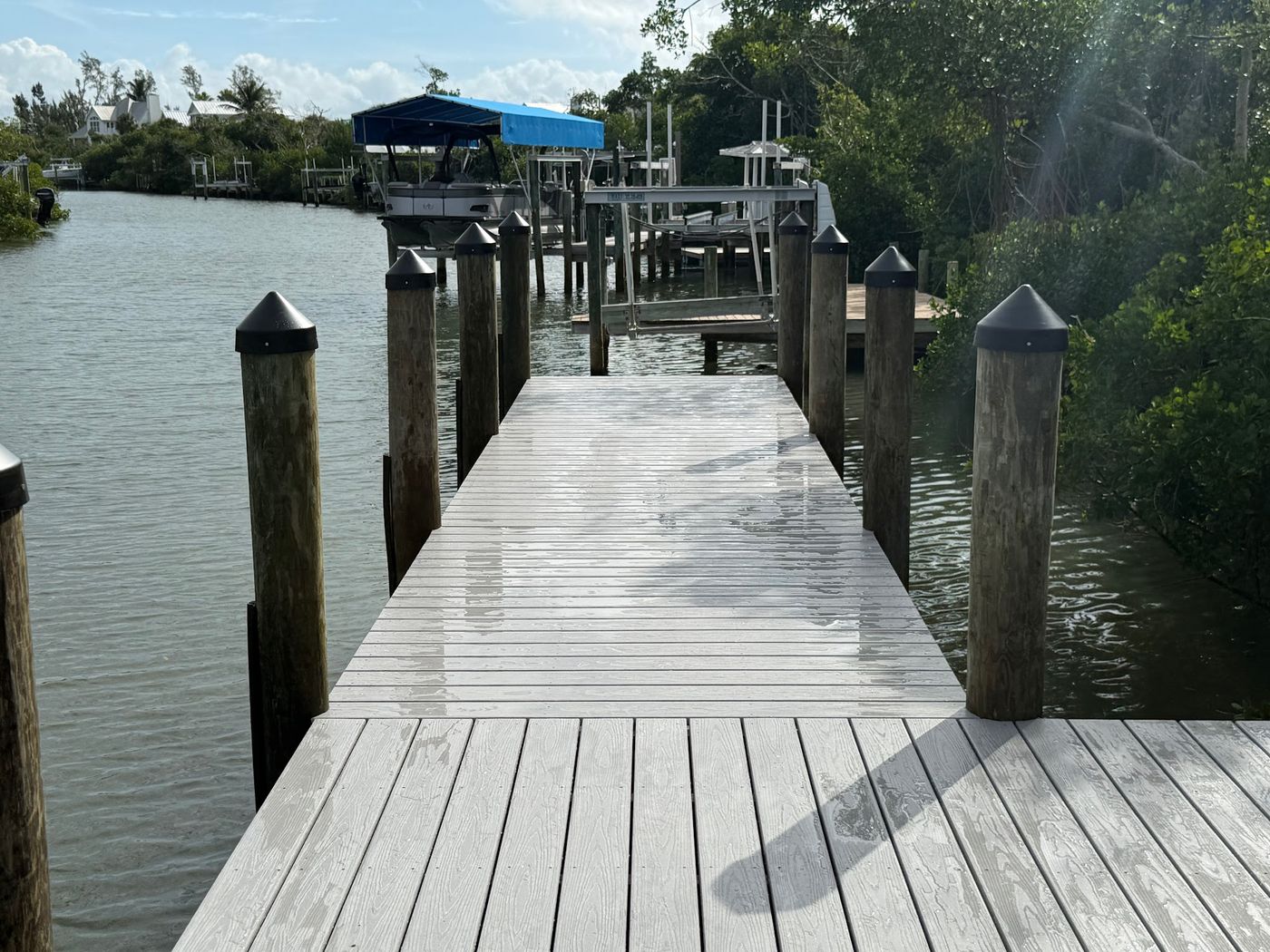
Start here · 07 · Free Dock Inspections
A straight answer about your dock, for free
Not sure what your dock needs? That is normal. Most owners are not dock builders. We walk your dock and your lift and hand you a straight report: what is solid, what is wearing, what needs attention now, and what can wait.
Guessing is the expensive part
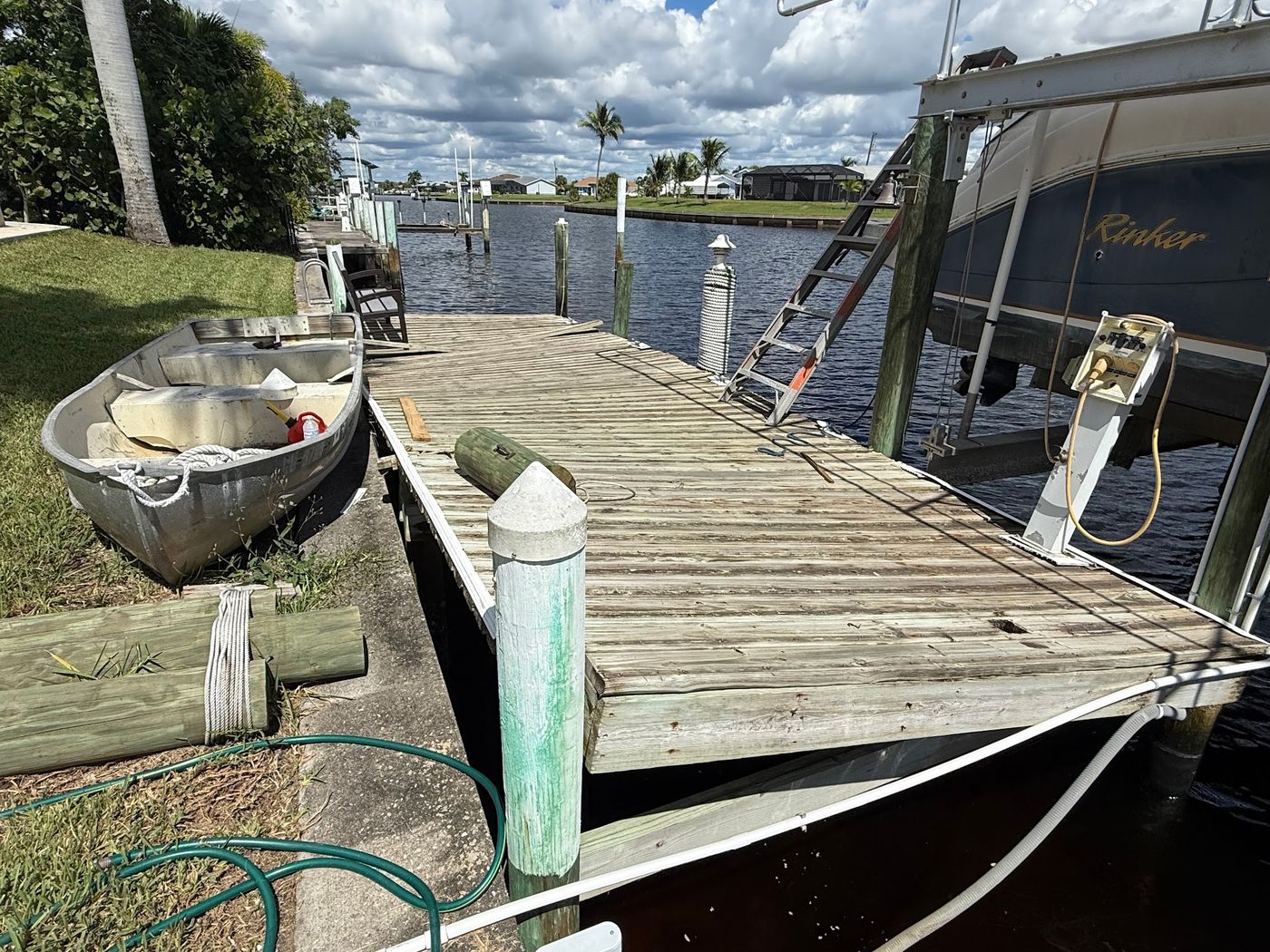
Something on your dock stopped feeling right. A board flexes underfoot. A piling looks like it is leaning a little more than the one beside it. The lift makes a noise it did not use to make. You cannot tell whether that is a Saturday afternoon fix or the start of a rebuild, and there is no honest way to settle it from up on the deck.
So most owners do one of two things. They wait, until the problem picks the timing for them, usually in the middle of storm season. Or they call around and collect opinions from people who all want the job. Neither of those tells you what is actually happening under the water.
The inspection is the other option, and it is free. We come out, put hands on the structure from below the waterline up, and tell you what we find. What is the catch? There is not one. Some inspections turn into jobs. Some end with a dock that is fine and us driving off.
Every job covers
Pilings at and below the waterline
Lean, soft wood, necking where the diameter shrinks, borer holes. We clear growth where we need to so we are reading the piling and not the barnacles on it.
Stringers, frame and deck fasteners
The frame decides whether a re-deck is even on the table. We look for soft spots and sag in the stringers, and check how the fasteners are still holding into them.
Lift cables, motors and controls
Cables get read for fray, rust and uneven winding on the drums. Motors, gearboxes and switches get run so we hear what they sound like working.
Bunks, cradle and guide posts
How your boat actually sits is half the story. A cradle hanging crooked or bunks that have flattened put load where it does not belong, and that shortens everything around it.
Hardware and connection points
Bolts, brackets, cleats and the places where different metals meet. Salt finds the connections first, and the connections are what hold a dock together.
A straight written summary
Plain language, sorted: what is solid, what is wearing, what needs attention now, and what can wait. Yours to keep either way, whether you hire us or file it in a drawer.
From your call to the summary
Call or text
Tell us your canal and what has you wondering. Our hours run 7 AM to 7 PM, 7 days a week, and we reply fast.
We walk it
We assess the dock in person, waterline to lift beam. Not a sales rep with a clipboard reading off a checklist he did not write.
You get it in writing
Zone by zone, in plain language: what is solid, what is wearing, what needs attention now, and what can wait until it does.
You decide
Nothing gets sold to you on the dock. If there is work, we quote it. If there is not, you hear that too, and you know who to call later.
Real work, real water
Every photo is our own work on SW Florida water. Click any of them to look closer.
Rated 5.0, 112 reviews
“Alex, and crew were able to get the job done quickly (when other contractors were months out). ... My dock is now finished and I could not be happier! I would highly recommend Alex for your dock building needs.”John Anderson · Google
Where docks fail, and where we look first
Docks fail in a fairly predictable order, so we check them in that order. The waterline goes first: that wet and dry band where borers, barnacles and salt work on wood nobody ever looks at. Then the frame, where stringers soften and fasteners start letting go while the boards on top still look fine. Then the lift, where cables fray, bunks flatten and the cradle begins hanging a little crooked. Reading the pilings first matters, because what we find down there changes the answer to every question above it.
The other half of the job is telling you what we did not find. A dock that passes gets told it passed. That is why the write-up separates now from later. Most docks have a few things on the clock and nothing on fire, and the useful thing is knowing which is which before storm season decides for you.
| Pilings at the waterline | Lean, soft wood, necking where the diameter shrinks, borer holes, and growth thick enough to hide the zone that matters most. |
|---|---|
| Pilings below the water | Whether the wood down there is still wood, or a shell with very little left inside it. This is the part no homeowner can check alone. |
| Frame and stringers | Soft spots, splits, sag between supports, and whether the frame is sound enough to carry a fresh deck without complaint. |
| Deck and fasteners | Spongy boards, cupping, screws backing out, rust bleeding through, and how the decking is still tied into the frame. |
| Lift cables and motors | Fray, rust, uneven winding, unfamiliar noise, and whether the motors, gearboxes and switches are working the way they should. |
| Cradle, bunks, hardware | How the boat sits in the cradle, worn or flattened bunks, and corrosion at the bolts, brackets, beams and cleats. |
Free Dock Inspections questions
Often paired with this
Dock Repair & Re-Decking
The most common good news an inspection delivers. If the bones check out, you re-deck instead of rebuild.
See the service Related servicePiling Installation
When the summary flags the waterline, this is the fix. New pilings driven straight and deep from the barge.
See the service Related serviceBoat Lift Repair & Service
Most of what an inspection finds on a lift is cables, bunks and adjustments, not a whole new lift.
See the service GuideWhat to Expect at a Free Dock Inspection
What a free dock inspection on SW Florida water actually covers: pilings below the waterline, frame, lift cables, and the summary you keep.
Read the guideNothing to lose but the guessing
Call or text with your canal and what has you wondering. We come out, walk the dock and the lift, and leave you a straight summary. Hire us or do not, you will know exactly where you stand either way.
Open 7 AM to 7 PM, 7 days a week · Call or text