Boat Lift Maintenance · Saltwater

Boat Lift Maintenance in Saltwater: The Seasonal Schedule for Southwest Florida Owners

A boat lift is a machine that lives in saltwater, and saltwater is patient. The difference between a lift that lasts and a lift that fails early is almost always maintenance.
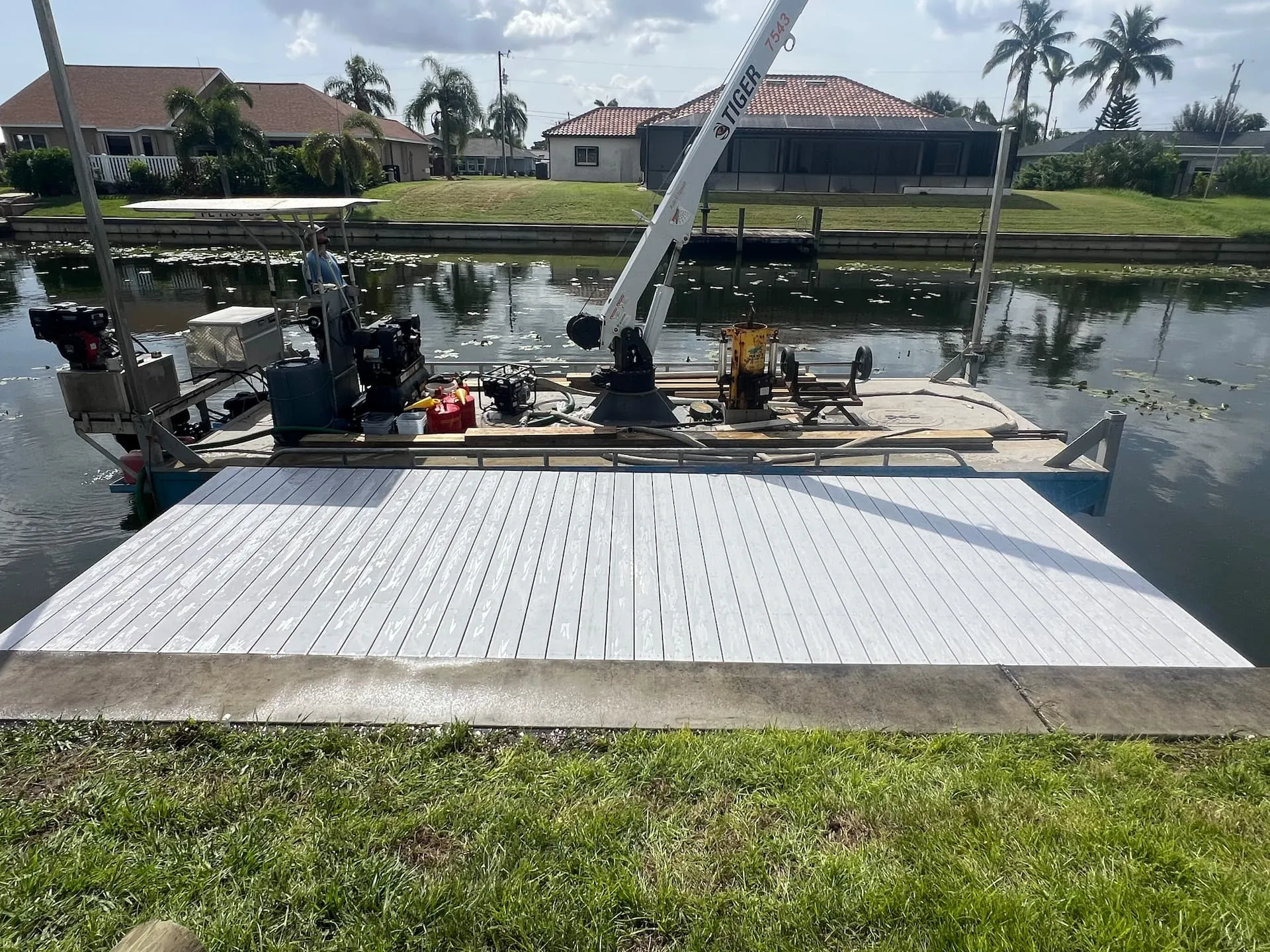
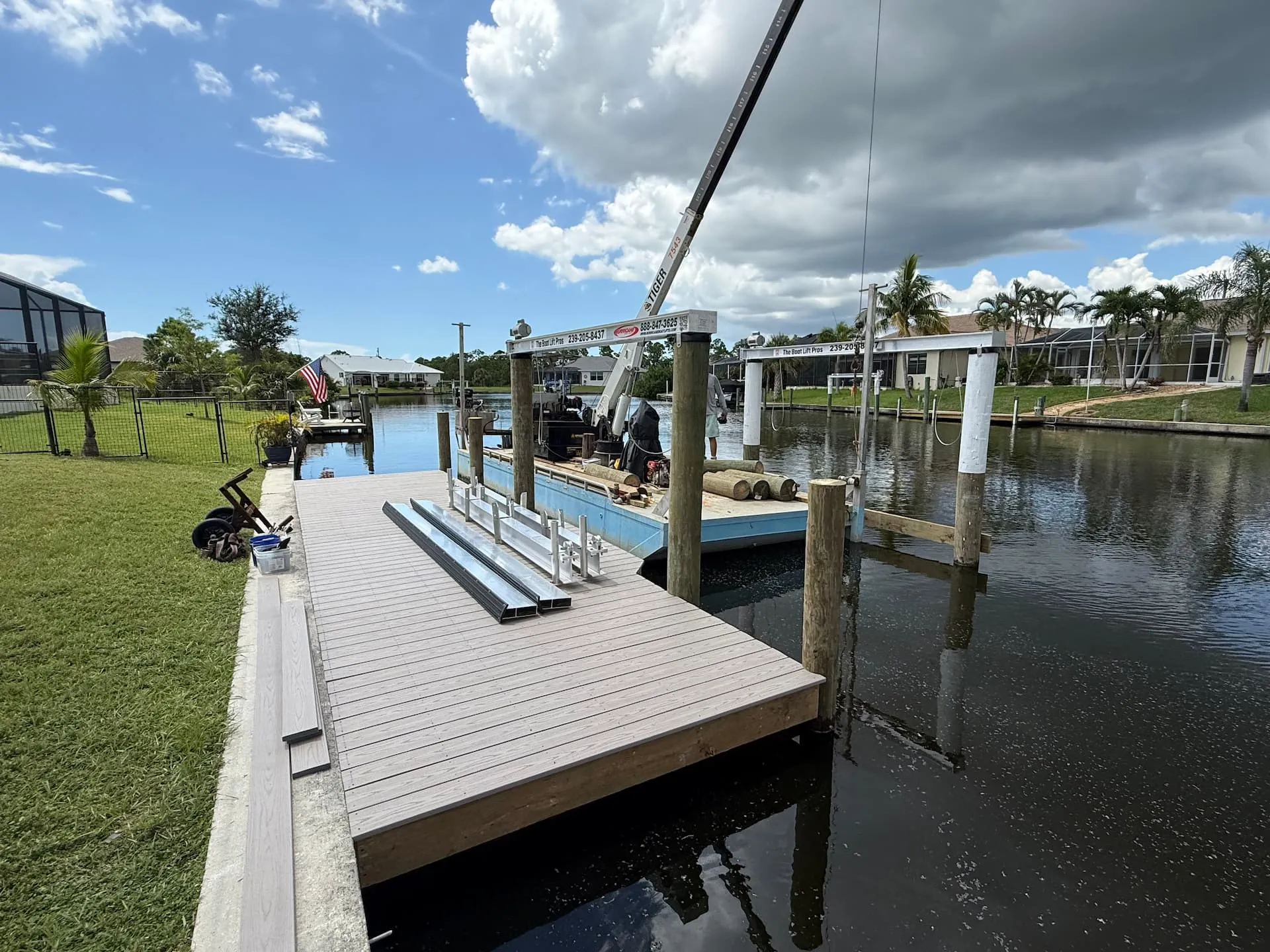
Large dock platform with maintained boat lift in Southwest Florida

Saltwater works on cables, hardware, pulleys, bunks, motors, and aluminum components every hour of every day. The good news is that most of what protects a saltwater lift takes only a few minutes and costs almost nothing.

CC Docks & Lifts is an owner-operated dock and boat lift company serving Lee County and Charlotte County. We service lifts across Cape Coral, Fort Myers, Punta Gorda, St. James City, Port Charlotte, and the surrounding waterfront communities.

This schedule shows what to do weekly, monthly, quarterly, and annually so your lift stays reliable and avoids preventable repairs.

Saltwater Conditions

Why Saltwater Changes the Rules

In freshwater, a boat lift can often go longer between service visits. In the saltwater of Cape Coral, Punta Gorda, Pine Island, and the rest of the Southwest Florida coast, the maintenance clock runs faster.

Salt Corrosion

Salt left on cables, hardware, pulleys, and frames accelerates corrosion and shortens component life.

Galvanic Corrosion

Aluminum components need protection from galvanic corrosion, especially when sacrificial anodes are worn down.

UV and Heat

Florida sun and heat wear on bunks, hardware, covers, and exposed components throughout the year.

Storm Season

Storm surge, high winds, and heavy seasonal use make pre-season inspection especially important.

Boat lift frame and cradle on a Southwest Florida saltwater canal
Weekly Habit

The Weekly Habit That Matters Most

Rinse the lift with fresh water. After heavy use, and at least weekly, rinse exposed components, cables, pulleys, and hardware to wash off salt and mineral deposits.

Salt left to dry and crystallize is what starts corrosion. A garden hose and five minutes is some of the cheapest lift insurance there is.

Weekly check: Rinse exposed parts, listen for new noises, look for cable wear, and make sure nothing has shifted.
Monthly Check

The Monthly Boat Lift Maintenance Checklist

  • Cables: Look for fraying, rust, kinks, or any broken strand.
  • Bunks and guides: Make sure hardware is secure and bunk carpet is intact.
  • Zinc anodes: Check sacrificial anodes and replace worn ones before corrosion accelerates.
  • Operation: Run the lift through full travel and listen for grinding, squealing, or hesitation.
If the lift sounds different than it did last month, treat that as a warning sign.
Quarterly and Seasonal

What to Check Every Few Months

  • Lubricate pulleys and moving parts according to manufacturer guidance.
  • Inspect pulleys and sheaves for wear.
  • Check hardware for crevice corrosion.
  • Tighten or replace compromised hardware.
  • Confirm cable tension and alignment.
  • Make sure the cradle rides level.

Heading into hurricane season, this is also the right time for a full pre-season inspection.
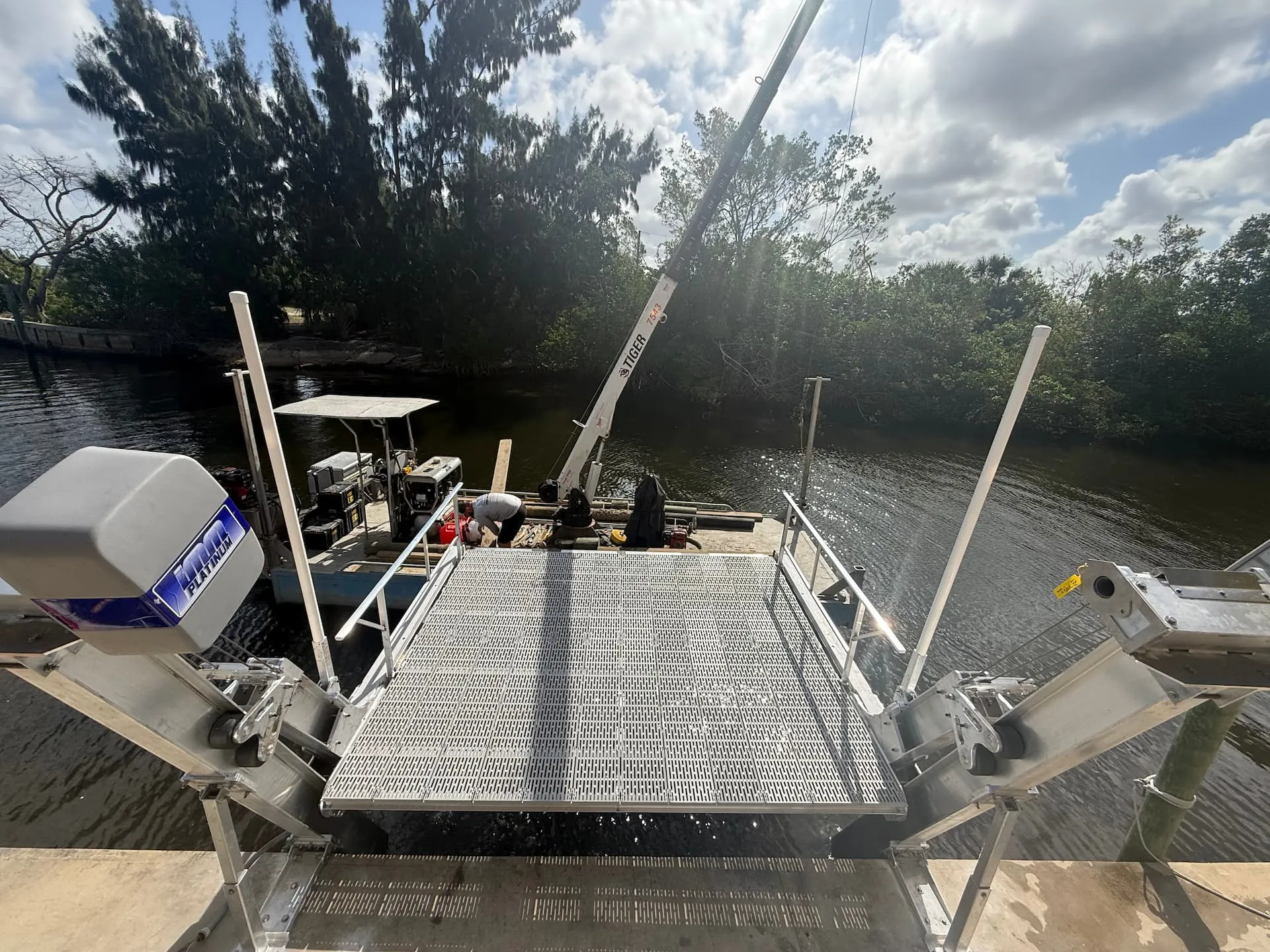
Boat lift with dock platform used as a seasonal maintenance reference image
Annual Service

The Annual Professional Boat Lift Service

Once a year, have the lift professionally serviced. This is where a trained eye catches what a quick homeowner inspection may miss.

Cradle Alignment

A cradle can be slightly out of square before the issue becomes obvious during daily use.

Pulley Wear

Worn pulleys can quickly damage replacement cables if they are not caught first.

Gearbox and Motor Mechanics

Mechanical wear can show up as hesitation, strain, or uneven operation.

Cables and Hardware

Saltwater cable wear and hidden corrosion are easier to correct before failure.

Maintenance Schedule

Quick-Reference Saltwater Boat Lift Maintenance Schedule

Weekly

Rinse exposed components with fresh water and do a quick visual check.

Monthly

Inspect cables, bunks, zinc anodes, and run the lift through full travel.

Quarterly

Lubricate, inspect pulleys, check hardware, and confirm tension and alignment.

Annually

Schedule professional service and replace cables on schedule or sooner if wear appears.

Important Note

A Note on Electrical Work

Many lifts run on electric motors. CC Docks & Lifts services the mechanical side of the lift: cables, cradle, bunks, pulleys, motor mechanics, and structure.

For wiring, electrical supply, breakers, outlets, or live electrical issues, you need a licensed electrician. If we find an electrical issue during maintenance, we will tell you clearly so you can get the right professional on site.

FAQ

Boat Lift Maintenance FAQ

How often should I rinse my boat lift?

Rinse the cables, pulleys, and hardware with fresh water after heavy use and at least weekly. Salt that dries and crystallizes on the components is what starts corrosion.

What are zinc anodes and why do they matter?

Sacrificial zinc anodes are designed to corrode before the aluminum parts of your lift do, helping protect the structure from galvanic corrosion. They wear down over time and need to be checked and replaced.

How often should boat lift cables be replaced in saltwater?

Manufacturer guidance is roughly every two years or about 200 cycles, whichever comes first. In saltwater, treat that as a maximum, inspect often, and replace at the first sign of fraying, rust, or a broken strand.

Do I really need annual professional service?

Yes. For a saltwater lift, annual service can catch an out-of-square cradle, worn pulleys, internal corrosion, and aging cables before they cause a more expensive failure.

Boat Lift Service

Keep Your Lift Running for the Long Haul

Set your lift up on a maintenance schedule and stop paying for preventable failures. Call CC Docks & Lifts at (239) 834-0095 or schedule boat lift service.

We will keep the mechanics in shape so your lift is ready every time you are.

Large dock platform with boat lift used as a maintained lift service reference image